Patient Room Design
Design decisions in patient rooms carry weight. These spaces are shared, occupied, and relied on in moments that matter to patients, families, and care teams alike.
February 16, 2026
By Kwalu
Mark stepped into the patient room quietly. The lighting was even and warm, not cold and sterile like the hospital rooms he remembers. The room felt settled—familiar and warm, the result of patient room design that considered more than clinical function.
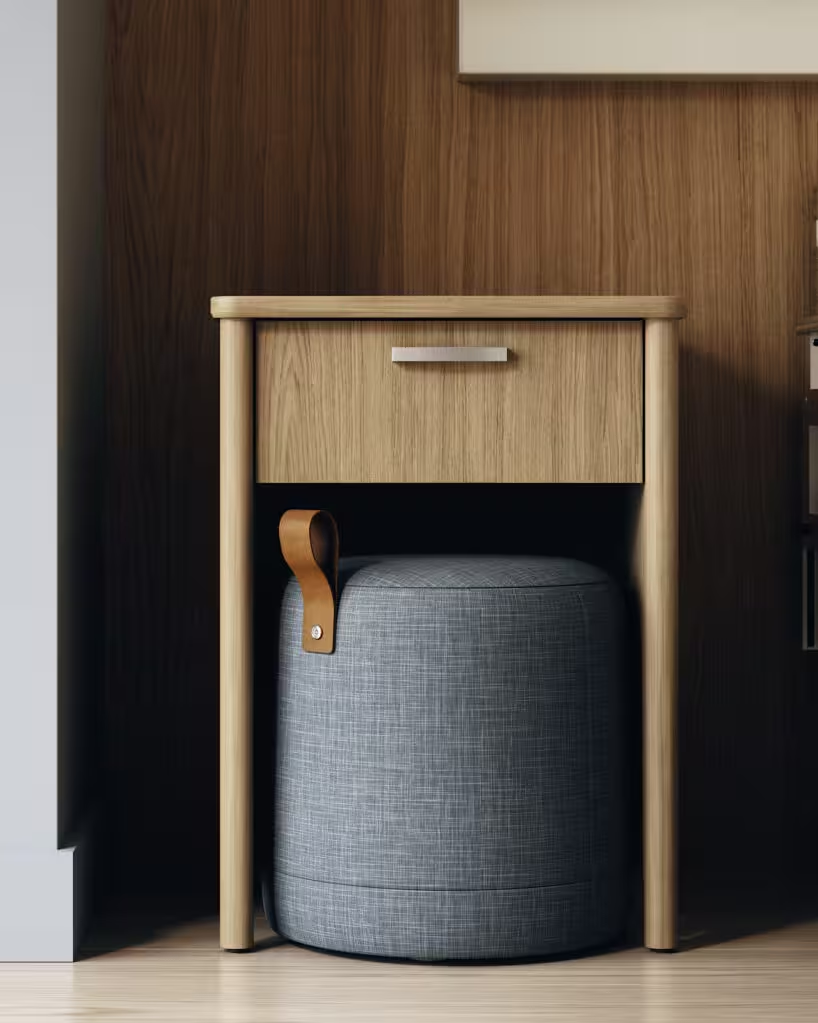
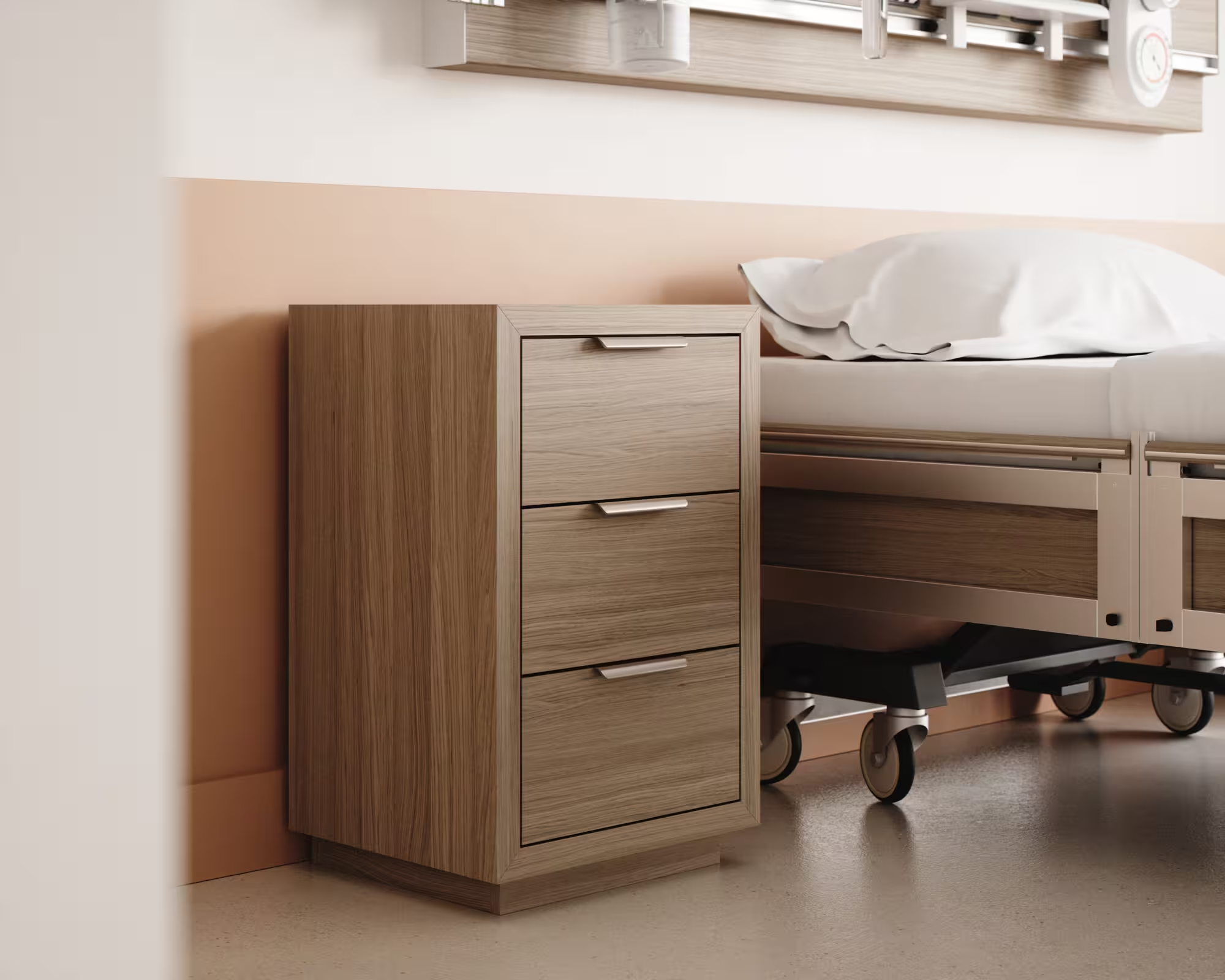
His wife was resting; a book placed within reach on the bedside table. Mark pulled the nested pouf closer to the bed and adjusted the overbed table so she wouldn’t have to stretch. The furniture moved easily, without noise or disruption.
When patient rooms are designed with the people who use them in mind, the difference is tangible.
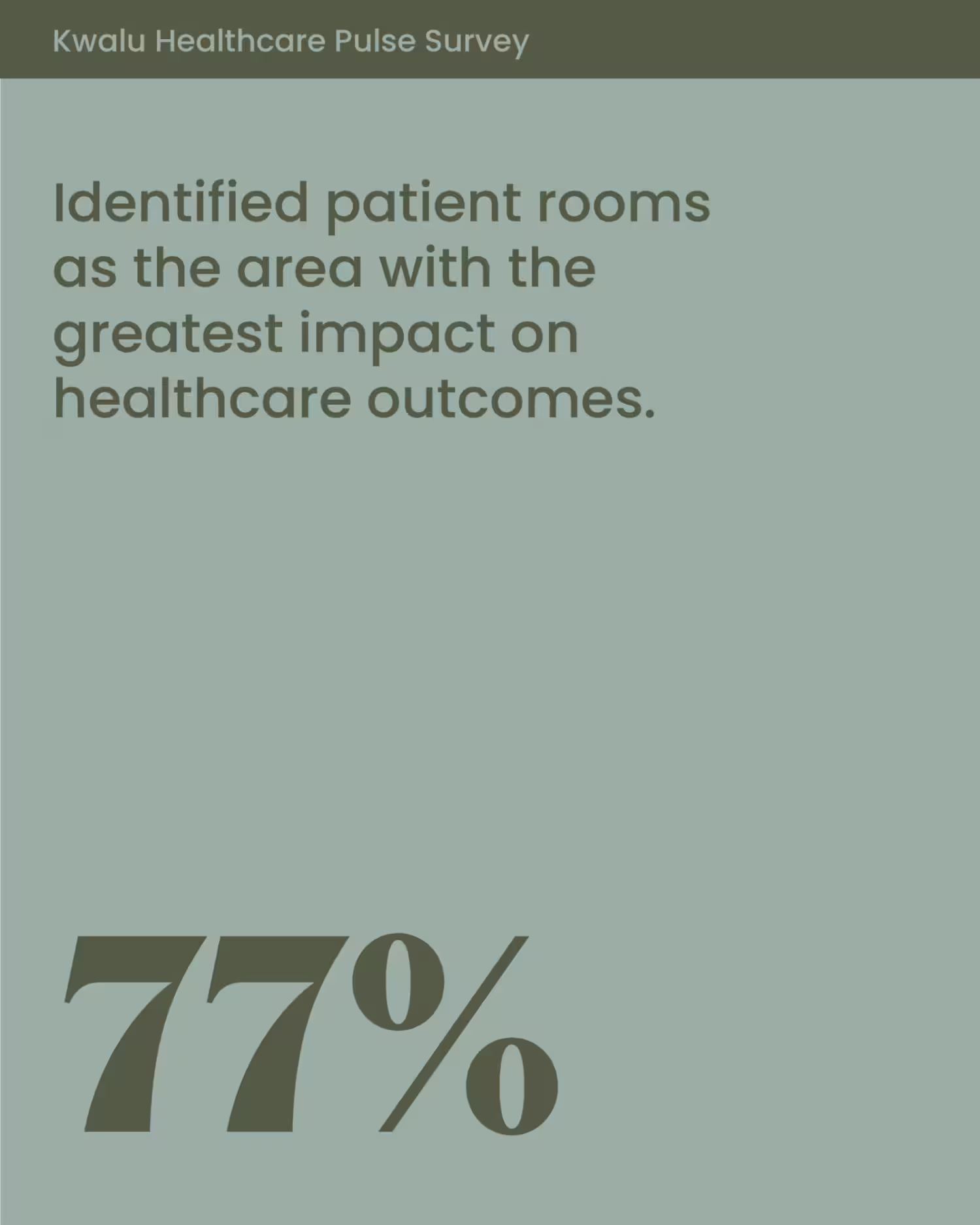
In a recent industry pulse survey, 77% of respondents identified patient rooms as the area with the greatest impact on healthcare outcomes.
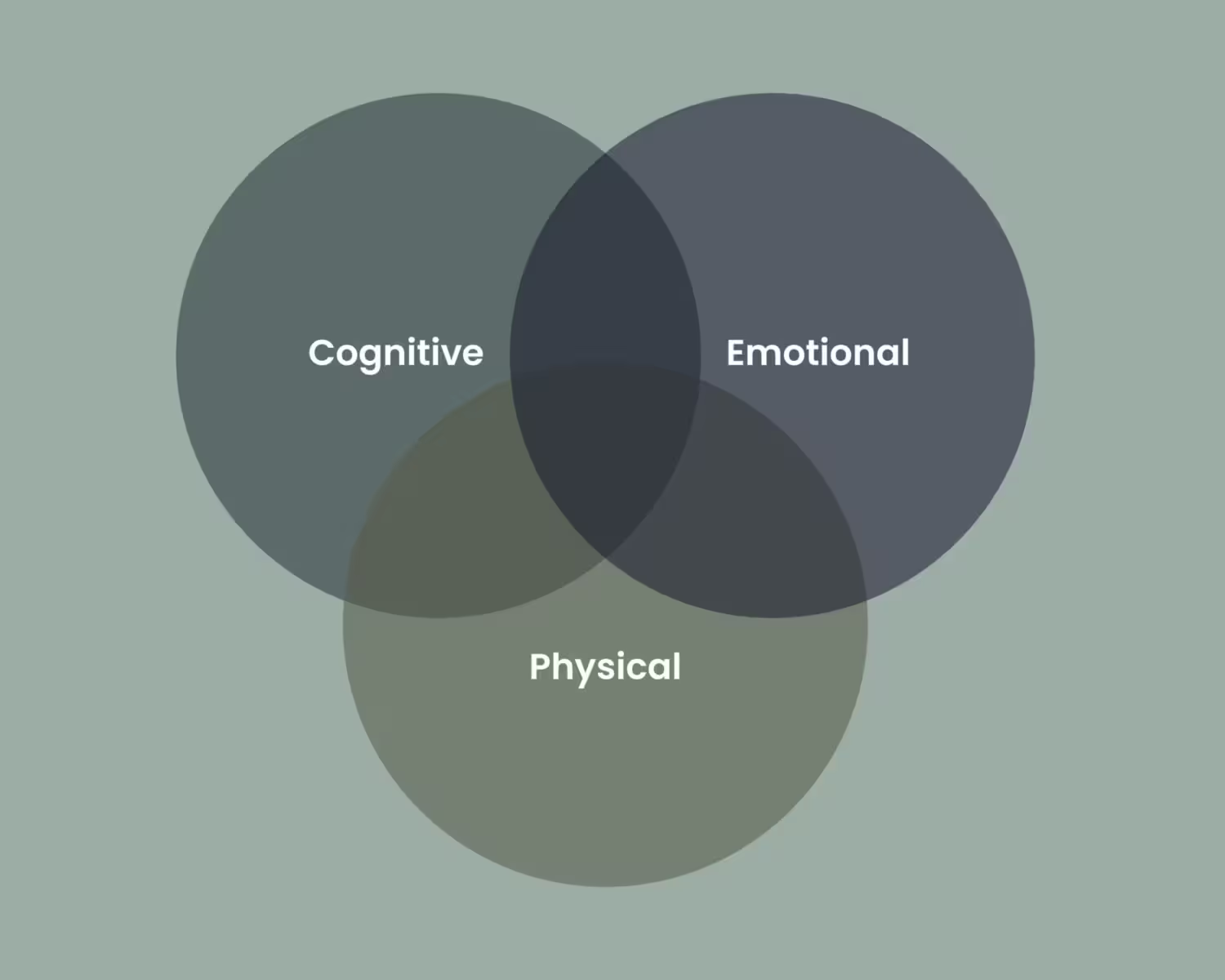
Patient room experience can be understood through three interconnected considerations:
- Physical
- Emotional
- Cognitive
Designing patient rooms around these considerations keeps focus on the people who use them—not just the delivery of care.
Research promoted by the Academy of Neuroscience for Architecture and related work in neuroaesthetics has contributed to broader conversations about how form, material, light, and visual order affect perception in care environments, particularly under conditions of stress or fatigue. Similarly, biophilic design research, including work by Terrapin Bright Green, has shaped thinking around how natural patterns and material cues influence comfort and orientation in built environments—insights that are increasingly applied in healthcare settings.
Rather than treating the environment as a neutral backdrop, this approach recognizes that spatial cues, material consistency, and visual clarity influence how people orient themselves, remain present, and engage with care throughout a stay.
Physical
Physical experience in patient rooms is shaped by how people sit, rest, reach, move, and remain in place over time. Patients may spend long periods supported by seating. Family members alternate between sitting, standing, and resting at the bedside. Care teams move through the room repeatedly, often while managing equipment, tasks, and time.
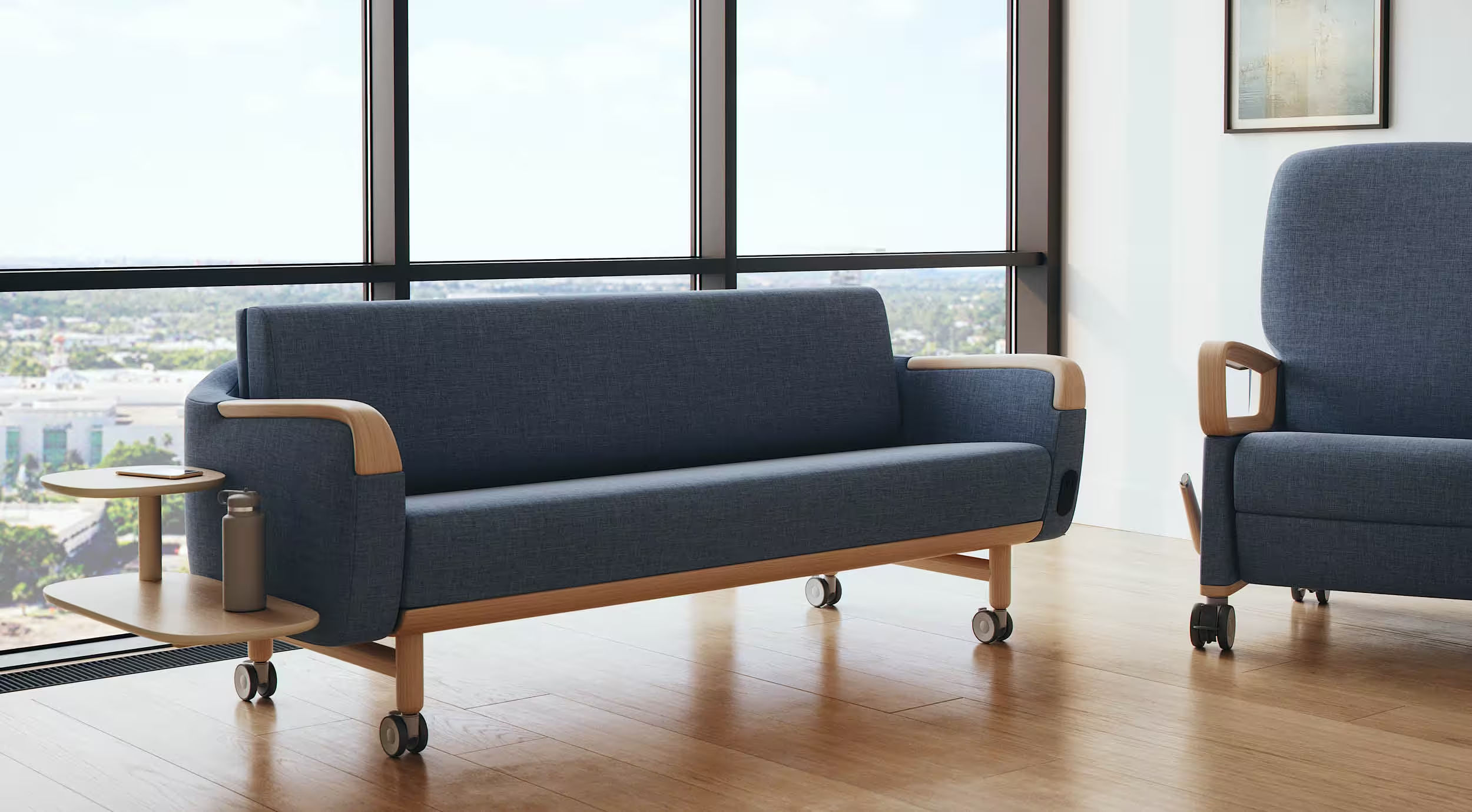
Furniture plays a role in how these physical demands are met. It should accommodate extended use and multiple postures. Supporting elements need to move and adjust smoothly as needs change throughout a stay.
Emotional
Care is rarely experienced alone. Patients move through uncertainty and vulnerability while family members and care partners remain present—often navigating concern, fatigue, and the desire to stay close without disrupting care.
Rooms that support emotional well-being communicate stability and reassurance. When the environment feels intentional rather than provisional, people understand that their presence is expected. That sense of permanence signals that patients and care partners belong in the space—not just for a visit, but for the duration of care.
Patients can rest more easily, and care partners can remain present without feeling like they are in the way.
Cognitive
Cognitive experience in patient rooms is influenced by how easily people can understand and use the space around them. Patients may already be processing complex information about their care. Family members are managing concern, decisions, and extended time in the room. Clinicians move through the space while balancing time, attention, and safety.
Rooms that are easy to navigate reduce unnecessary mental effort tied to the environment itself. When elements are intuitive and accessible, people spend less time figuring out the space and more time focused on care and conversation.
Materials in Daily Use
Material choice plays a significant role in how patient room furniture performs over time. Frequent cleaning, repeated contact, and shared use place consistent demands on finishes and construction.
Materials that maintain their appearance and function through daily use support continuity across rooms and across stays.
Design decisions in patient rooms carry weight. These spaces are shared, occupied, and relied on in moments that matter to patients, families, and care teams alike. Thinking about physical, emotional, and cognitive needs together reflects an understanding that care is experienced by people—and that the environment plays a role in how that experience unfolds.
Further Reading
For designers interested in exploring related research and perspectives on patient rooms, human factors, and environmental experience, the following organizations offer ongoing work in these areas:
- The Center for Health Design
Evidence-based design resources, including studies and case examples focused on patient rooms, family presence, and care environments. - Agency for Healthcare Research and Quality
Research and guidance related to human factors, patient safety, and cognitive load in healthcare settings. - Academy of Neuroscience for Architecture
Interdisciplinary research exploring how built environments influence perception, stress, and cognition.